Dr Vinod V Joshi from Ahmedabad talks about Coronavirus & the important steps to be taken during this crucial time to remain safe against COVID-19.

"Precaution is better than cure". We all are well aware of this fact & this what renowned Dr Vinod Joshi from Ahmedabad, Gujarat also wants to emphasize on right now as this is the best solution there is looking at the current deadly scenario caused by COVID-19 that is faced by not just our country but, the world altogether.
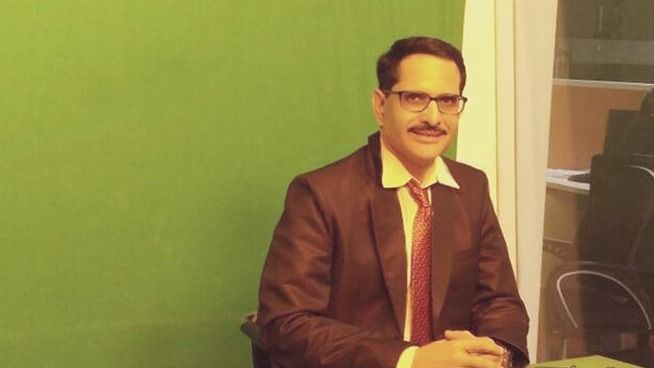
Dr Vinod Vasantray Joshi belongs to Kutch Abdasa Kothara Village, now living in Ahmedabad from past three decades.
Giving his tireless & persistent contribution to the medical field for more than 30 years & practicing in Ahmedabad, Dr Vinod Joshi explains the health crisis in simple words to describe the seriousness of it & says that when a fire bursts out, people generally run out of their homes to safeguard themselves, but Coronavirus acts like a fire that is outside our homes & hence it becomes mandatory for people to remain at their homes to avoid the wildfire named COVID-19 to safeguard themselves & their families.
Currently, the world has come together to fight against the life-threatening virus & this has also led to people spreading false & fake information on the social media platforms relating to the pandemic that only creates more panic amongst them.
Hence, it becomes essential for people to know the correct information & steps regarding the same. We got in touch with Dr Vinod V Joshi for the same & he suggested a few crucial guidelines that people must resort to right now so that they can protect themselves & their families as well.
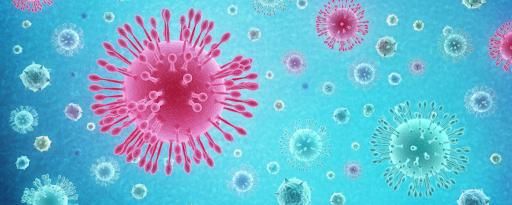
Dr Vinod Joshi is of the view that COVID-19 is caused by a virus called SARS CO2, which is a zoological origin virus. The common symptoms of Coronavirus include fever, cough, feeling breathless & tiredness.
The state of the country is such that it has already entered the 3rd stage of the spread of the virus. Initially, people got infected through foreign tourists, relatives & friends, but the situation soon got worsened & now people are getting infected even amongst themselves.
Below are a few of the important steps that one must know, understand & follow:
- Stop loitering around & do not step out of your house, go out only if there is an emergency. Be at home & ensure the safety of you & your family.
- Do not stockpile things. The state & the centre governments are trying their best in providing the essentials. Hence, do not panic.
- Remember, masks are essential for health care providers, police, cleaners & sweepers & not for people who are already keeping healthy.
- When you have a cough & cold, it is imperative to use tissue papers or handkerchief & take medications accordingly.
- Go the Indian way of greeting people with a "Namaskar" & do not shake hands with anyone.
- Keep washing your hands with a good handwash & wash them for at least 20 seconds.
- Inculcate the habit of washing hands always when you come home from outside & open & close the knobs, etc. using your left hand (right hand in case you are a lefty).
- Use a disinfectant to clean the knobs, etc.
- Take the stairs & do not touch the railings.
- Always wash & clean all the vegetables & fruits before consumption.
- Eat homemade healthy food & avoid eating from outside.
- Throughout the day, drink as much water as you can.
- Avoid going to clinics & in case of emergencies, call your doctor for assistance.
Our honourable Prime Minister of India Shri Narendra Modi had called for a "JanataCurfew" on 22nd of March, 2020. This in itself was an alarm enough for people to understand the seriousness of the global health emergency that the world is facing right now.
Governments from different nations are taking their steps in reducing the spread of the virus & now it is our turn as citizens to do our bit by resorting to social isolation. Shri Narendra Modi on 24th of March, 2020 also announced for a nation lockdown for 21 days looking at the increase of the cases every day.
Hence, it has become mandatory to remain at home & social distancing is the only alternative that we have right now. Though India is equipped with good medical services still, if the spread of the virus increases & leads to mass infection & casualties, then we might not have enough of the proper medical services required to combat the virus.
If we as a nation keep our selves self-isolated & practice social distancing for 21 days as suggested by our Prime Minister then, we can fight & overcome this pandemic & save ourselves & our families.
Lastly, Dr Vinod Joshi appeals to the public to stay at home, be with your family, stay clean & healthy & most importantly care for yourself, your family & others too.
Comments
Post a Comment