Individuals and communities
Stay aware of the latest information on the COVID-19 outbreak, available on the WHO website and through your national and local public health authority. Most people who become infected experience mild or moderate symptoms and recover, but the disease can be more severe for others. Take care of your health and protect others.
Basic protective measures for everyone
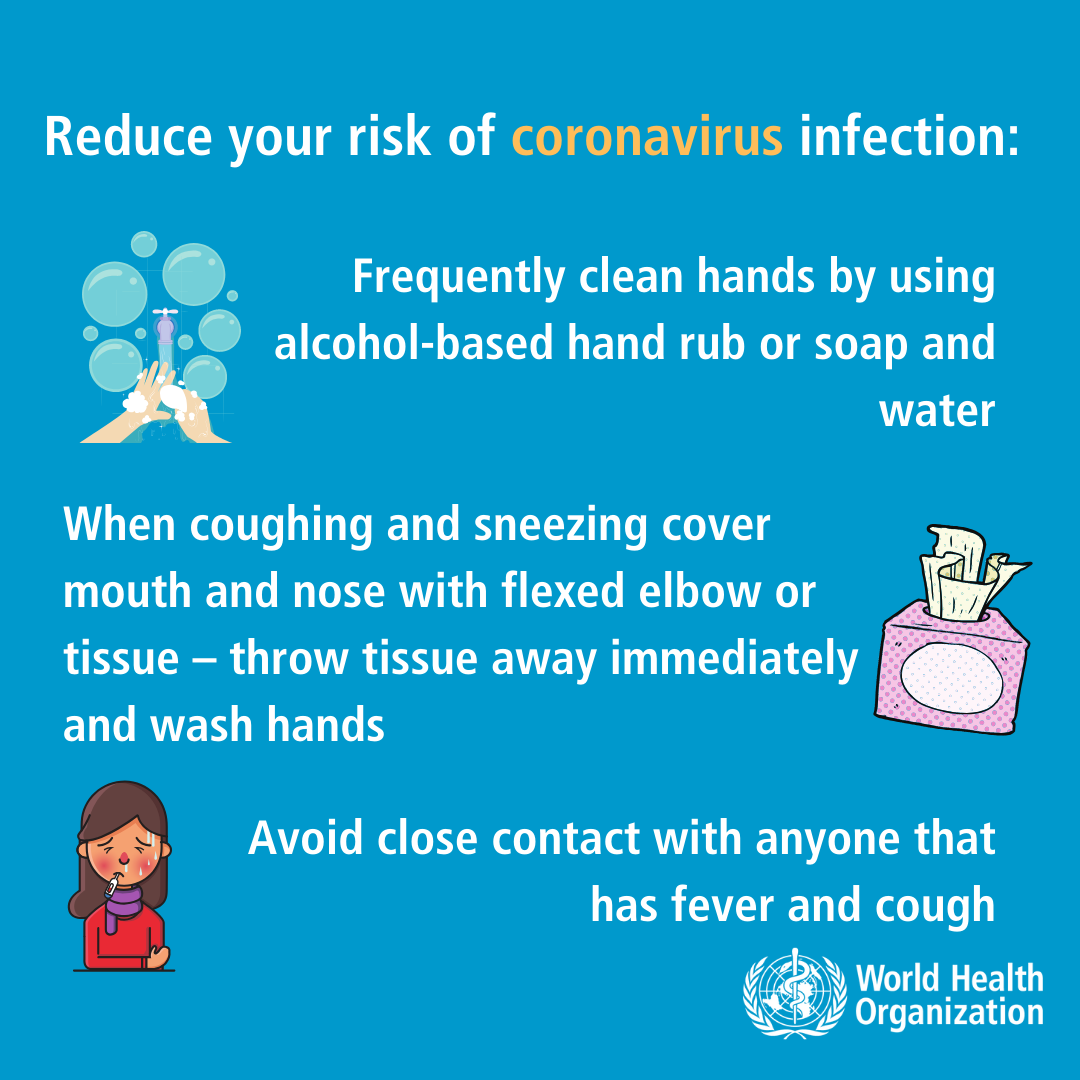
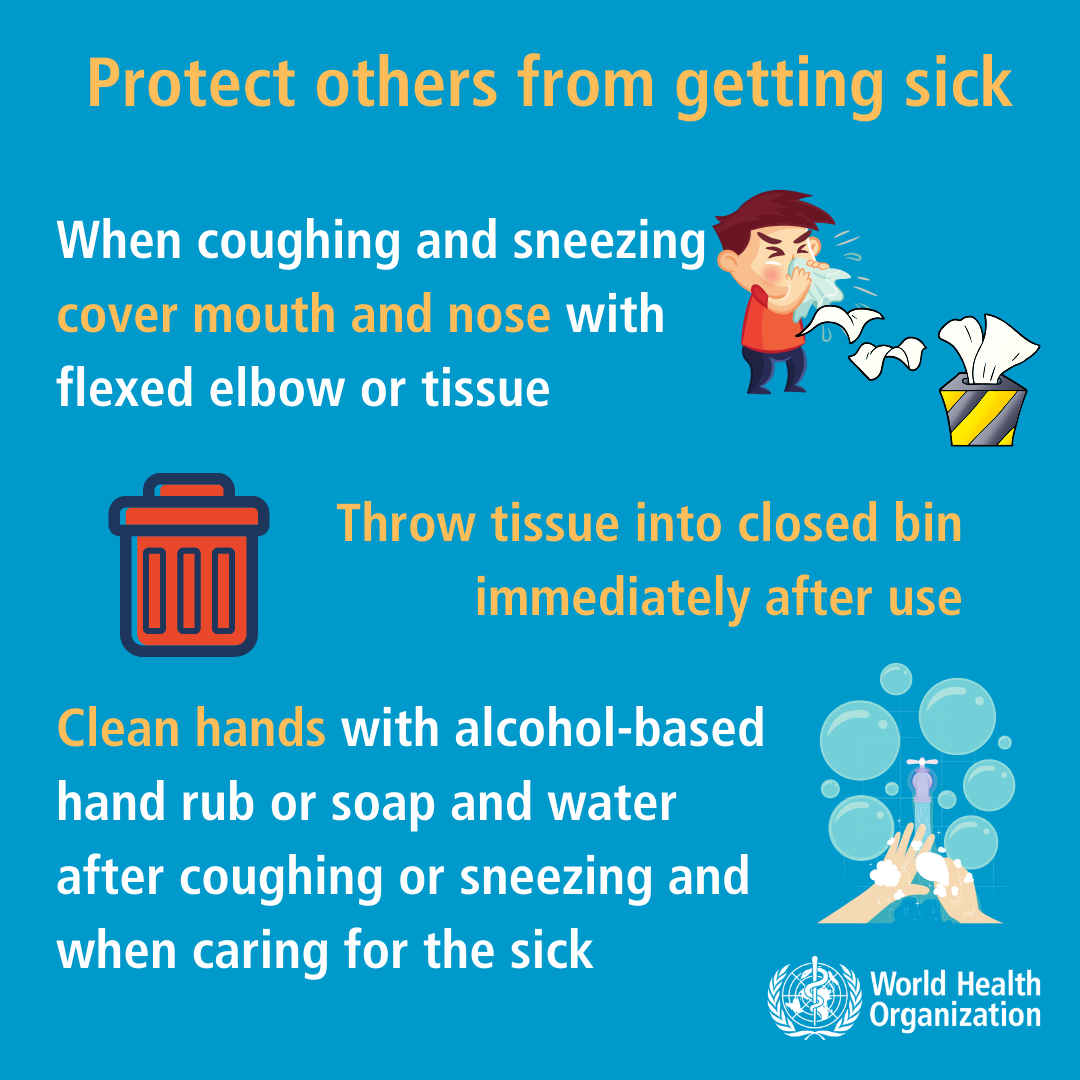
Wash your hands frequently and thoroughly
Why? We frequently use our hands to touch objects and surfaces that may be contaminated. Without realizing it, we then touch our faces, transferring viruses to our eyes, nose and mouth where they can infect us. Washing your hands with soap and water or using alcohol-based hand rub kills viruses that may be on your hands – including the new coronavirus.
Avoid touching eyes, nose and mouth
Why? Hands touch many surfaces and can pick up viruses. Once contaminated, hands can transfer the virus to your eyes, nose or mouth. From there, the virus can enter your body and can make you sick.
Cover your cough with the bend of your elbow or tissue
Why? Droplets spread virus. By following good respiratory hygiene you protect the people around you from viruses such as cold, flu and COVID-19.
Avoid crowded places
Why? Maintain at least 1 metre (3 feet) distance between yourself and anyone who has a cough or is sneezing. This also means that you should avoid greeting people who have those symptoms with a kiss or by shaking hands.
Stay at home if you feel unwell – even with a slight fever and cough
Why? By staying at home, and not going to work or other places, you will recover faster and will avoid transmitting diseases to other people.
If you have a fever, cough and difficulty breathing, seek medical care early - but call by phone first
Why? If you have a fever, cough and difficulty breathing, stay at home and call your doctor or local health professional. He or she will ask some questions about your symptoms, where you have been and who you have had contact with
Stay aware of the latest information from who.int/epi-win
Make sure your information comes from reliable sources — your local or national public health agency, the WHO website, or your local health professional. Everyone should know the COVID-19 symptoms — for most people, it starts with dry cough, not a runny nose.
Protection measures for persons who are in or have recently visited (past 14 days) areas where covid-19 is spreading
Follow the guidance outlined above (protection measures for everyone)
Self-isolate by staying at home if you begin to feel unwell, even with mild symptoms such as headache, low grade fever (37.3 C or above) and slight runny nose, until you recover. If it is essential for you to have someone bring you supplies or to go out, e.g. to buy food, then wear a mask to avoid infecting other people.
Why? Avoiding contact with others and visits to medical facilities will allow these facilities to operate more effectively and help protect you and others from possible COVID-19 and other viruses.
If you develop fever, cough and difficulty breathing, seek medical advice promptly as this may be due to a respiratory infection or other serious condition. Make contact by telephone in advance of your visit and tell your provider of any recent travel or contact with travelers.
Why? Calling in advance will allow your health care provider to quickly direct you to the right health facility. This will also help to prevent possible spread of COVID-19 and other viruses.
How to cope with stress during COVID-19 outbreak
When and how to wear medical masks against COVID-19
Graphics for download


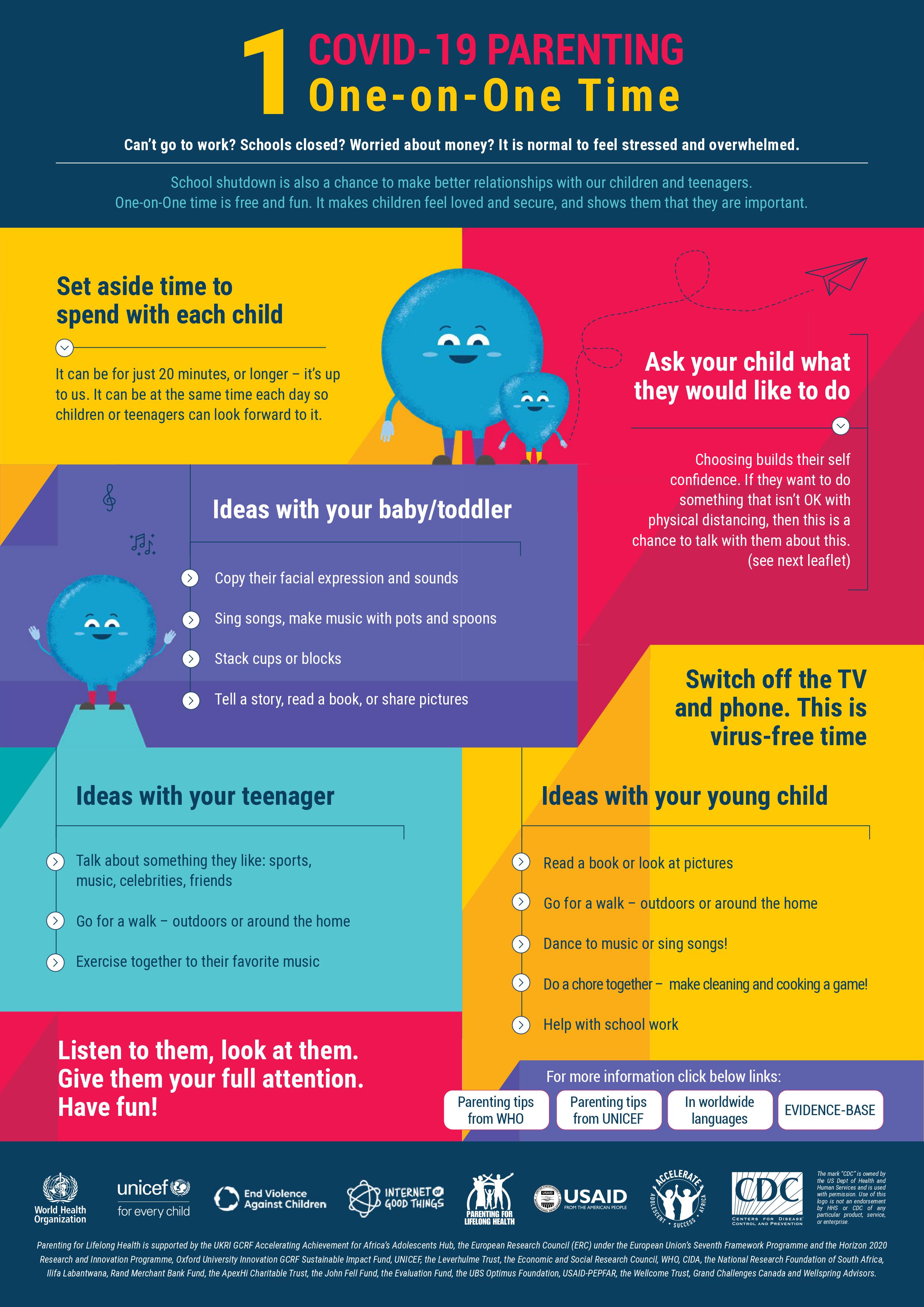
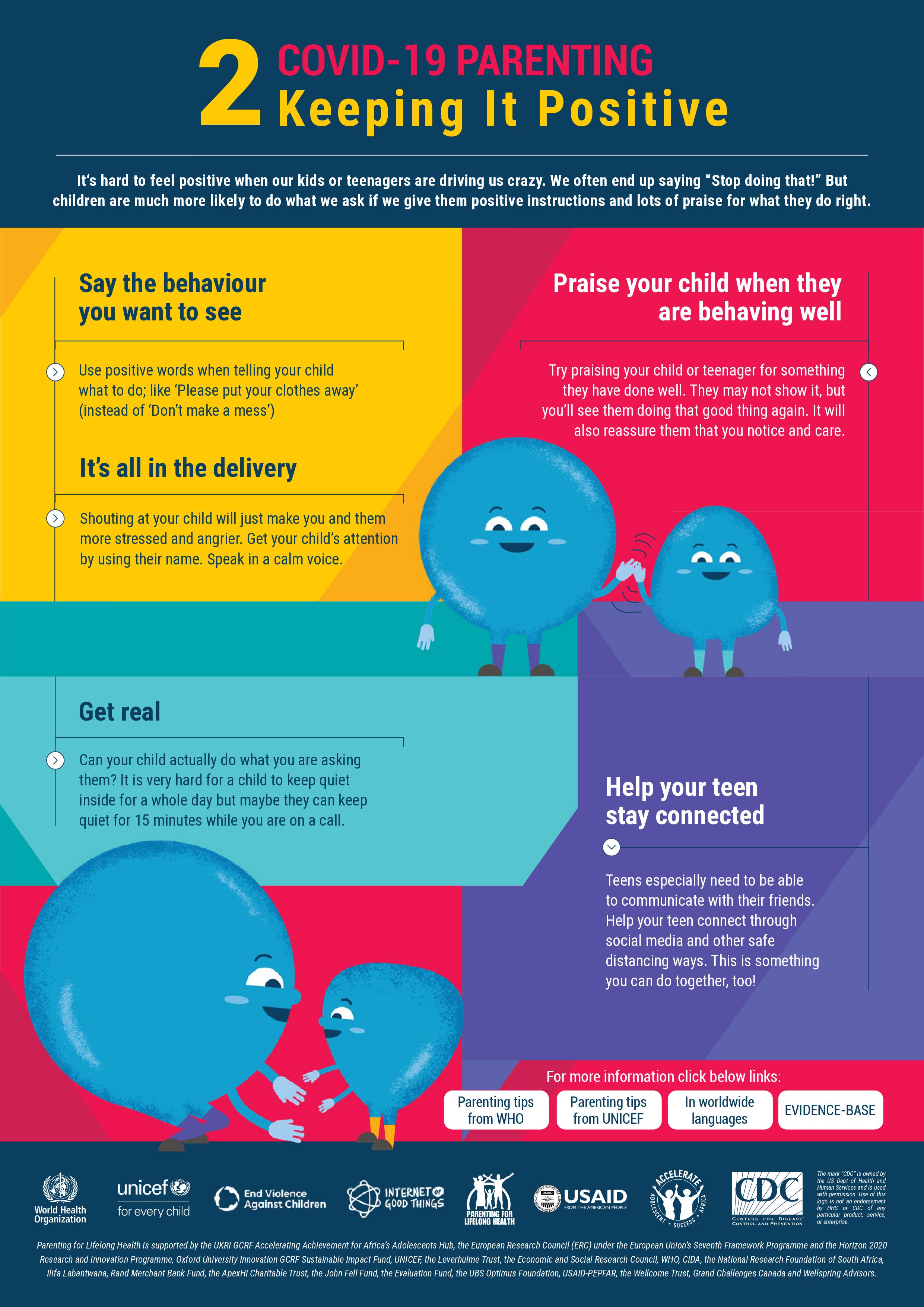
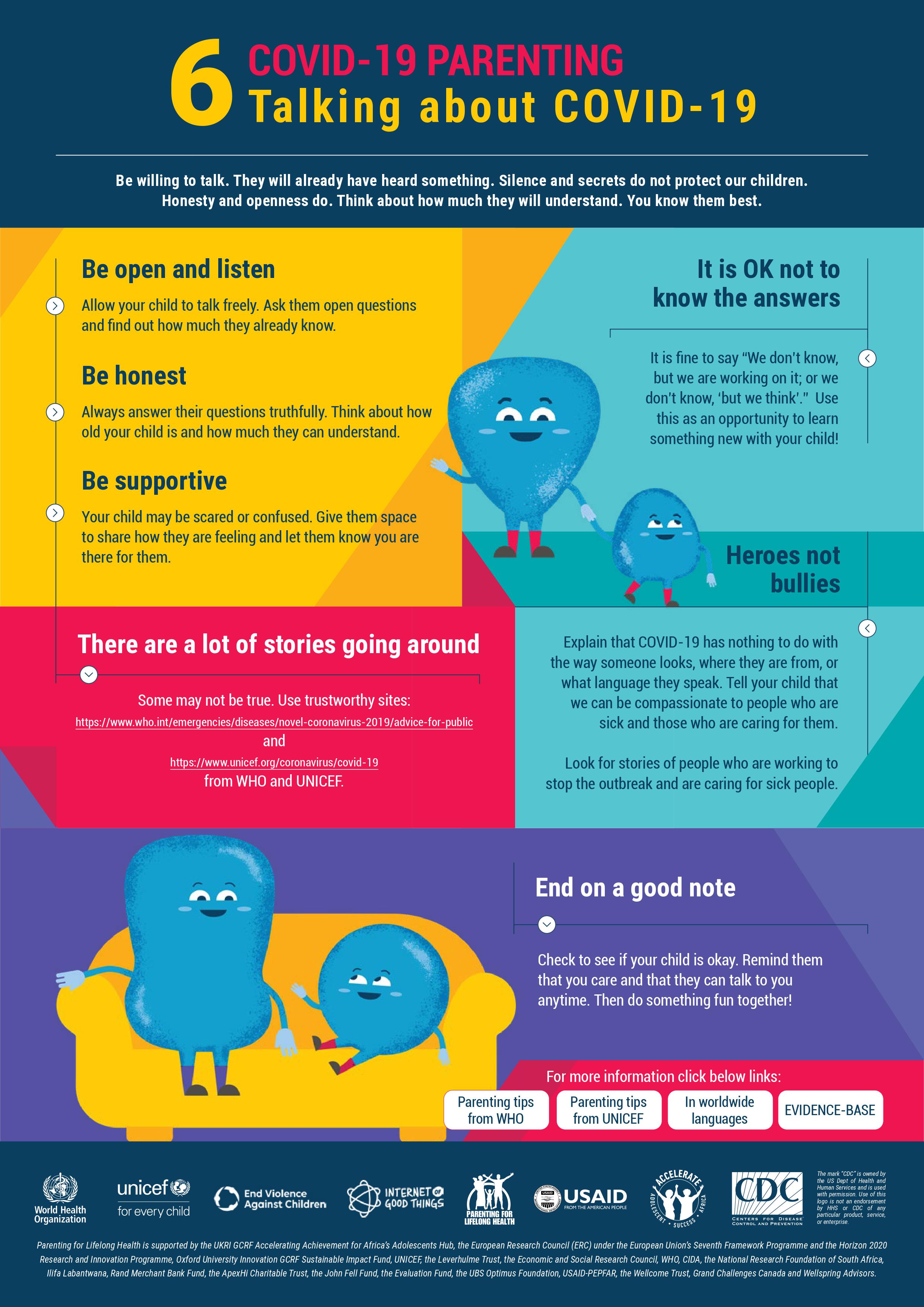
Parenting in the time of COVID-19


Videos: Protect yourself against COVID-19
All videos
Comments
Post a Comment